
AI Agents vs Traditional Software: Business Transformation 2026
Learn how AI agents are helping businesses automate work, improve customer experiences, and make better decisions. Explore the differences between AI agents and traditional software and discover real-world business applications.
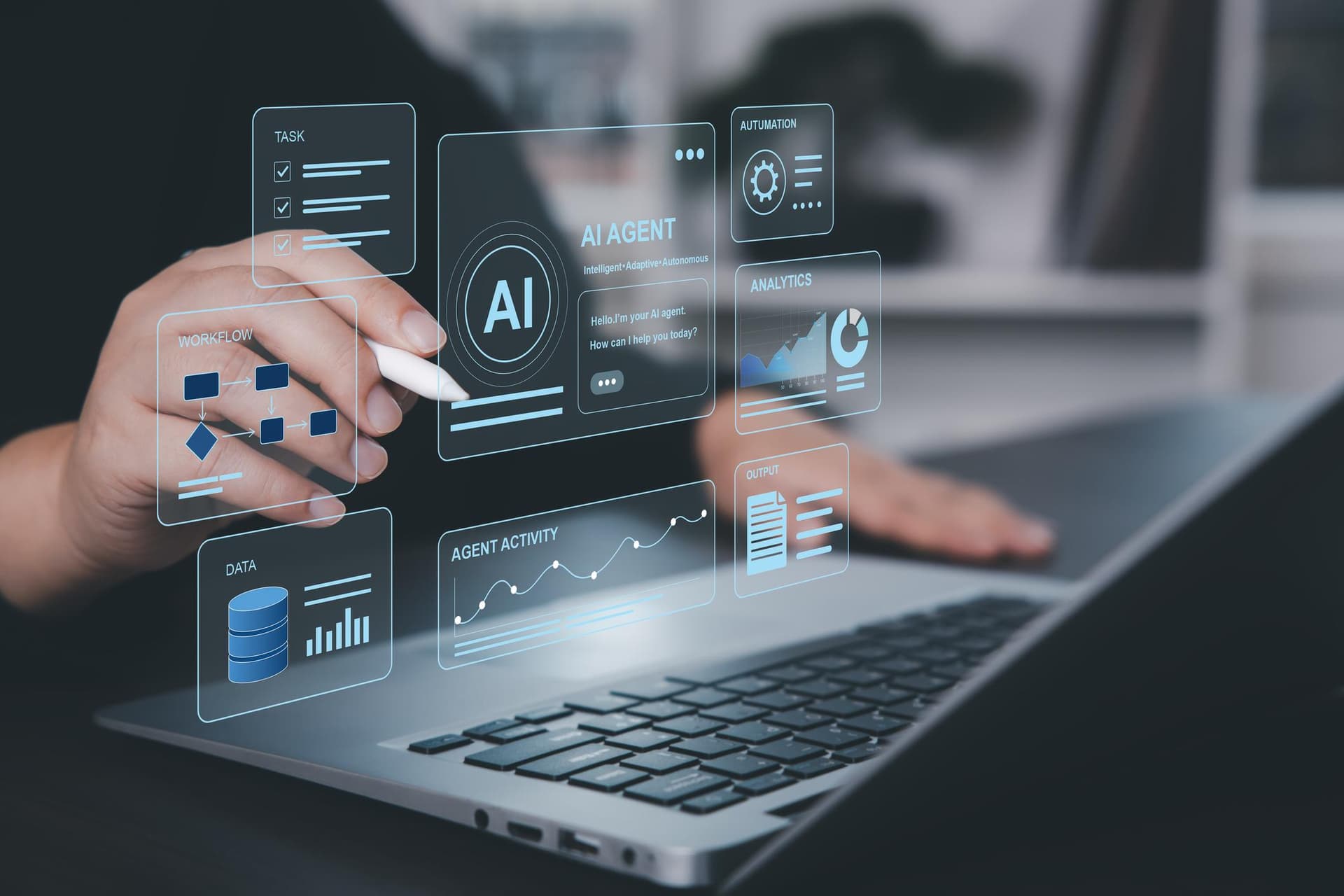
Introduction Business technology is changing faster than ever. For years, companies have depended on traditional software to manage operations, organize information, and improve efficiency. While these systems continue to play an important role, a new generation of technology is beginning to reshape the workplace—AI agents. Unlike traditional software that follows a fixed set of instructions, AI agents can understand information, learn from interactions, and make decisions based on context. They are helping businesses handle tasks that once required significant human effort. From customer service and sales to software development and business analysis, AI agents are becoming valuable tools for organizations looking to improve productivity and stay competitive. Understanding Traditional Software Traditional software is designed to perform specific tasks using predefined rules. It follows a structured process and produces predictable results when provided with the correct inputs. Examples include customer relationship management systems, accounting software, inventory management tools, and enterprise resource planning platforms. These systems are highly effective for repetitive and structured work. However, they often struggle when situations change or when decisions require deeper analysis and flexibility. What Are AI Agents? AI agents are intelligent software systems that can understand information, evaluate situations, and take actions to achieve a goal. They use technologies such as machine learning, natural language processing, and large language models to interact with users and complete tasks more intelligently. Instead of simply following instructions, AI agents can learn from previous interactions and adjust their behavior based on new information. This makes them useful for solving more complex business challenges. AI Agents vs Traditional Software The key difference between AI agents and traditional software is how they approach work. Traditional software follows predefined instructions and processes. AI agents focus on achieving outcomes. They can evaluate a situation, determine the best course of action, and adapt when conditions change. This flexibility allows businesses to automate more than routine tasks and improve efficiency across different departments. How AI Agents Are Improving Customer Support Customer support has traditionally relied on human representatives and scripted chatbots. While these systems can answer common questions, they often struggle with more complicated requests. AI agents can understand customer intent, analyze conversations, and provide more relevant responses. They can access company knowledge bases, resolve issues, and direct customers to the right resources when necessary. As a result, businesses can provide faster support and improve customer satisfaction. Enhancing Sales and Lead Management Sales teams spend a significant amount of time managing leads and performing administrative work. AI agents can help identify qualified prospects, analyze customer behavior, schedule meetings, and generate personalized communications. They can also update CRM systems automatically. This allows sales professionals to focus more on building relationships and closing deals. Supporting Software Development Teams Developers are increasingly using AI-powered tools to improve productivity. AI coding assistants can help write code, identify errors, generate documentation, and create test cases. These tools reduce repetitive work and allow developers to focus on solving technical challenges. While AI cannot replace experienced developers, it can help teams work more efficiently and complete projects faster. Transforming Human Resources Human resources departments manage hiring, onboarding, employee support, and workforce planning. AI agents can assist by reviewing resumes, scheduling interviews, answering employee questions, and analyzing workforce data. This helps HR teams spend more time supporting employees and less time handling routine administrative tasks. Business Intelligence and Data Analysis Businesses generate large amounts of data every day. Turning that information into useful insights can be time-consuming. AI agents can analyze data, identify trends, predict future outcomes, and generate reports. Leaders can use these insights to make informed decisions more quickly and confidently. Real-World Applications of AI Agents Healthcare organizations use AI agents for appointment scheduling, patient communication, and medical data analysis. Financial institutions use AI agents to detect fraud, assess risk, and support investment decisions. E-commerce companies rely on AI agents to recommend products, manage inventory, and provide customer support. Manufacturing businesses use AI agents to monitor equipment, improve quality control, and optimize supply chain operations. Benefits of AI Agents Organizations are adopting AI agents because they offer several advantages: • Increased productivity • Reduced operational costs • Faster decision-making • Improved customer experiences • Better scalability • More efficient workflows Challenges Businesses Should Consider While AI agents provide many benefits, businesses must also address potential challenges. Data privacy and security remain important concerns. Organizations must also ensure that AI-generated responses are accurate and reliable. Integrating AI systems into existing business processes requires planning, oversight, and clear guidelines. The Future of AI Agents AI agents are expected to become even more capable in the coming years. Future systems may manage entire business workflows, collaborate with other AI agents, and provide personalized support to employees across different departments. As the technology continues to mature, businesses will find new opportunities to improve efficiency, reduce costs, and deliver better customer experiences. Conclusion The shift from traditional software to AI agents marks an important step in the evolution of business technology. Traditional software remains valuable for structured tasks, but AI agents bring flexibility, intelligence, and adaptability that help businesses handle more complex work. Organizations that embrace AI thoughtfully will be better positioned to improve productivity, make smarter decisions, and stay competitive in an increasingly digital world.
Key Benefits of Artificial Workflow Automation
Increased Productivity
Boost operational efficiency.
Cost Savings
Boost operational efficiency.
Improved Accuracy
Boost operational efficiency.
Scalability
Boost operational efficiency.
Better Decisions
Boost operational efficiency.